Water damage caused by leaks, faulty parts, or burst pipes—also known by insurers as “escape of water”—can cause millions of dollars in commercial property damage and business losses. Sometimes, small leaks go unnoticed for so long that they cause extensive damage to building materials like drywall, flooring, and insulation, driving up repair costs.
Escape of water remains the number one cause of insurable loss during construction projects. Preventing these incidents is critical for enterprises to reduce the direct water damage costs and the extensive financial impact, such as increased insurance premiums or business loss due to operational downtime.
What is Escape of Water?
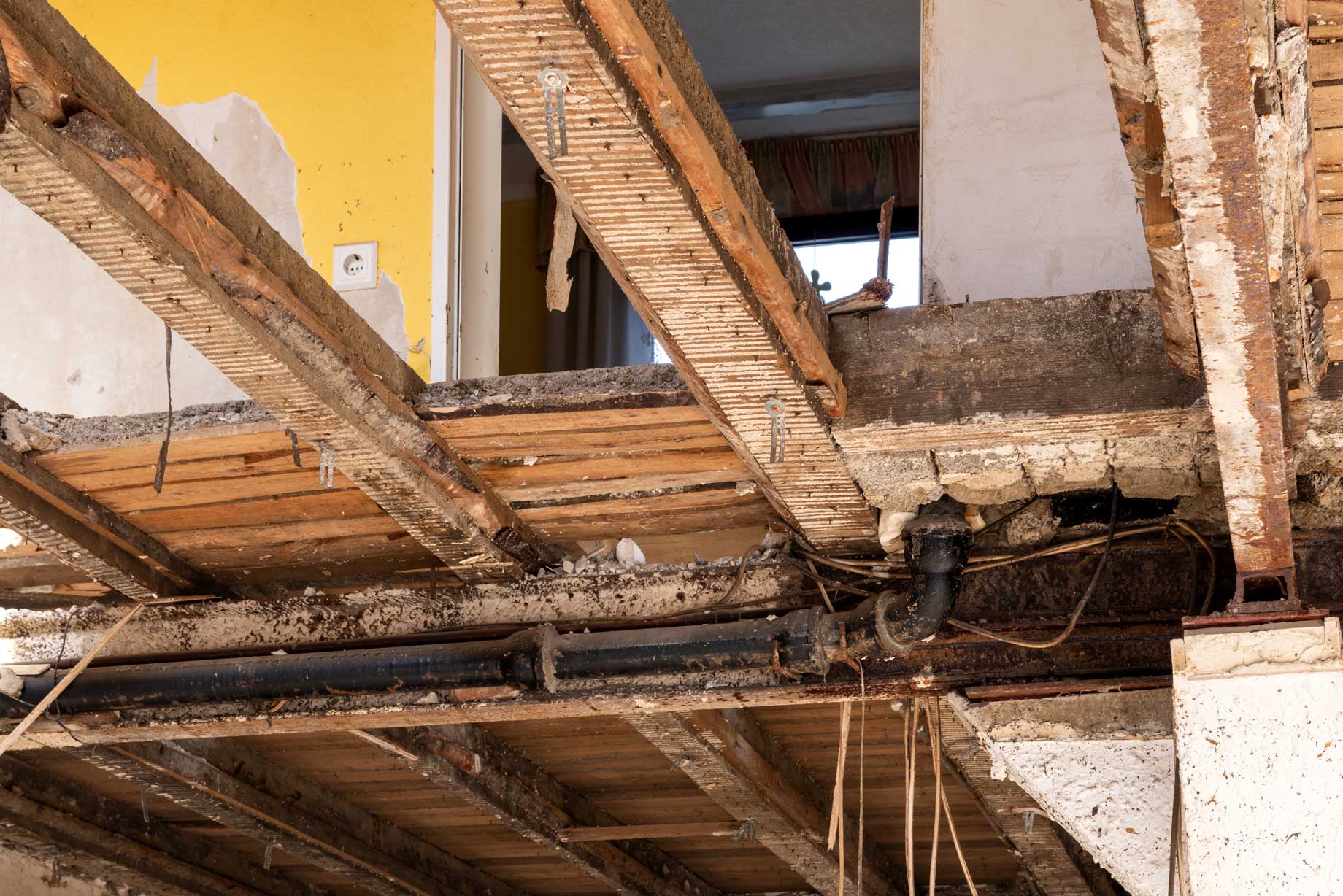
Escape of water refers to unintentional water leaks, bursts, or overflows from pipes, tanks, appliances, or heating systems in residential or commercial properties. These escape of water incidents often damage walls, floors, electrical systems, and structural components.
When water seeps into walls, it can lead to mold growth and weaken the drywall’s structure. Moisture-damaged flooring may also buckle and warp, creating safety hazards. Additionally, water exposure can corrode electrical systems, increasing the risk of short circuits and fire hazards.
Beyond the immediate damage control, the long-term consequences of water exposure are often costly and complex. Damaged infrastructure leads to high repair costs, spiking insurance premiums, and potential health and safety hazards due to mold or compromised materials. Frequent water damage incidents can reduce tenant satisfaction, disrupt operations, and harm your reputation as a reliable property manager.
The Costly Consequences of Escape of Water
Escape of water incidents profoundly impact both insurers and building managers. For insurers, these incidents often lead to significant claims payouts, affecting their loss ratios. Over the past decade, North American insurers have collectively paid out more than $2 billion in claims related to water damage. Severe commercial “escape of water” events can result in damages amounting to millions of dollars per incident.
Construction and building managers are in the same boat. Frequent water damage incidents mean that buildings hold heightened risk. Insurers may adjust their premiums to reflect this risk, leading to higher insurance costs. Plus, insurers will likely implement stricter underwriting criteria, making it more challenging to secure the desired coverage or retain favorable rates.
Operational disruptions can lead to even greater impacts. For instance, a burst pipe on a hospital’s upper floor released over 200,000 gallons of water, forcing the transfer of hundreds of patients and resulting in more than $4 million in losses. In another case, water escaping from the 16th story of a high-rise office building down to the basement damaged electrical feeds and caused $6.5 million in damages.
Lastly, there are the environmental impacts. The average US household wastes nearly 10,000 gallons of water each year due to leaks, contributing to a staggering total of almost 1 trillion gallons wasted annually across the nation. Companies that value sustainability and may have ESG objectives to reach must be all the more careful about the gallons upon gallons of water their tenants may unintentionally be wasting.
What Causes ‘Escape of Water’ Claims?
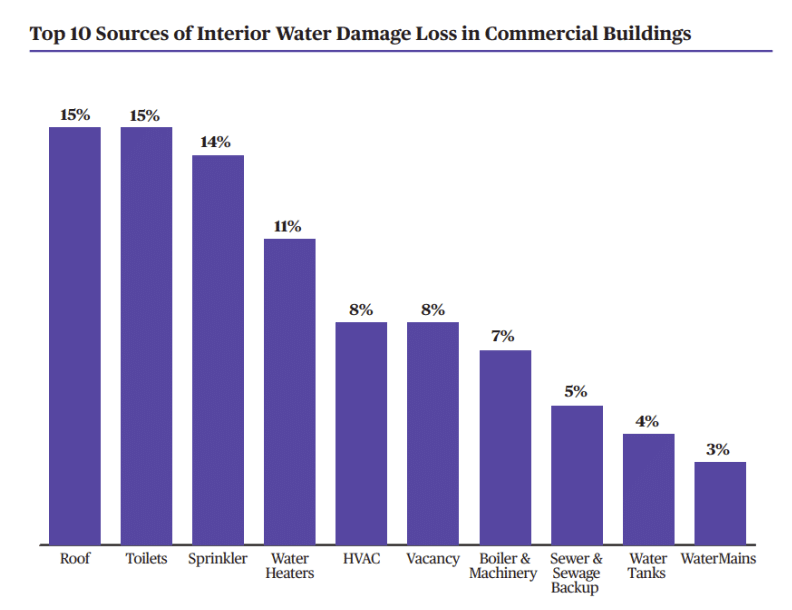
Water damage can come from a variety of sources, from pipes that freeze and burst to clogged drains, but based on Chubb insurance claims, the top three sources of escape of water claims for interior water damage loss in commercial buildings are the roof, the toilets, and the sprinkler system – comprising a total of 44% of the claims analyzed. Water heaters and the HVAC system make up another 19%.
[ Source: CHUBB ]
#1 Roof
Leaking roofs can cause escape of water for a variety of reasons, such as an excess of rainwater that collects on a flat roof. Roofs are particularly vulnerable to deterioration because they are so exposed to the weather, and ongoing roof leaks can seep into lower floors and ultimately cause corrosion of the reinforced concrete.
#2 Toilets
Like other appliances, toilets deteriorate with age. Toilets account for 15% of water damage loss in commercial buildings (the same as roofs), especially in multistory buildings with stacked plumbing.
#3 Sprinklers
Sprinkler systems are almost as likely as roofs or toilets to cause “escape of water” problems for a building, coming in third as the cause of 14% of water damage. Maintaining these systems can be challenging because it requires monitoring not only the sprinklers themselves but also the pipes, antifreeze systems, and associated equipment.
7 Ways to Prevent Water Damage
To mitigate water risks, you should start by reviewing regulations such as the JCOP Regulation for the Escape of Water in the UK, which promotes preventive measures and real-time monitoring. Additionally, here are some steps you can take day to day to prevent water damage:
1. Keep Your Roof in Good Repair
Conduct a thorough inspection of your roof at least twice yearly, ideally in spring and fall. This frequency allows you to check for Winter damage and prepare for the coming seasons. During your inspection, identify and fix roof issues such as blisters, ridges, wrinkles, cracks, tears, open seams, punctures, pinholes, and split, cracked, or deformed flashings. In addition, unclog all drains and gutters and remove any accumulated water, snow, or ice.
Aside from the recommended twice-a-year inspections, checking the roof after major storms, high winds, or severe weather is also advisable. A preventative maintenance program that includes routine cleaning to remove debris and trimming overhanging branches can also extend the life of your roof. Proper drainage is critical, especially for commercial buildings’ flat or low-slope roofs.
2. Replace Faulty Toilet Parts
Building maintenance teams may need to install automatic shut-off valves or replace leaky flappers and faulty fill valves to prevent toilets from wasting water. Another component to replace periodically is the wax ring seal at the toilet’s base, which can deteriorate over time and cause damaging and costly water seepage. In addition, toilet drain pipe leakage can cause severe damage to the building.
Given that high-rise offices and apartment buildings have much more demanding water systems than residential housing, consider installing pressure-reducing valves, also known as water pressure regulators, to prevent leaks and even pipe bursts due to high water pressure.
3. Inspect Your Sprinkler System
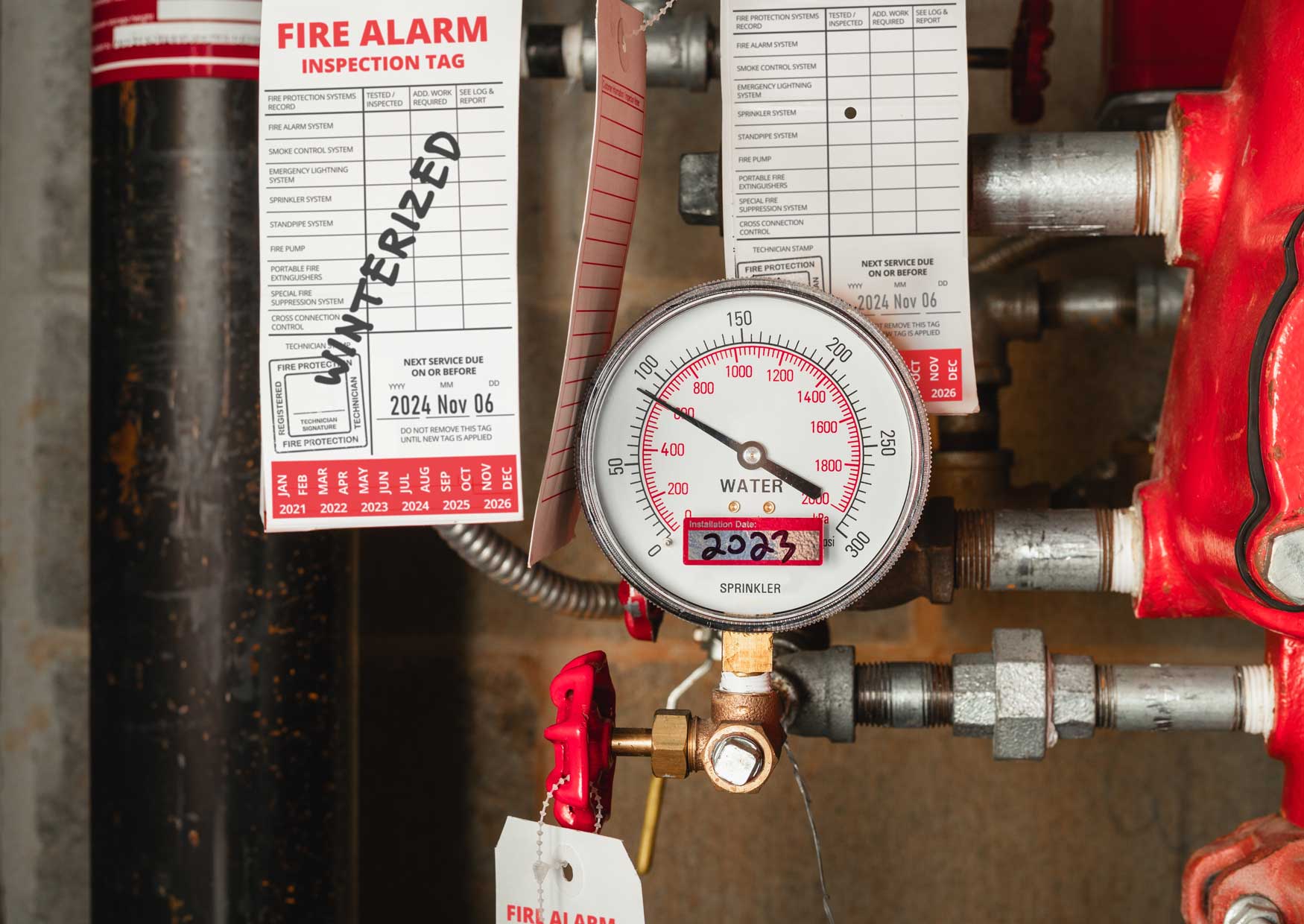
Enforce fire protection standards rigorously to keep your sprinkler system in optimal condition. Regularly repair any corrosion or physical damage to the sprinklers and related equipment. Additionally, ensure the sprinkler pipes are well-maintained by conducting internal inspections every five years to identify potential issues.
Another tip is to install low-temperature alarms in any sprinkler riser room where temperatures may drop below 40 degrees Fahrenheit (4 degrees Celsius) and test the antifreeze system annually to ensure its effectiveness in preventing freeze-ups.
4. Invest in Advanced Leak Detection Solutions
Receiving instant alerts is excellent. But what are you supposed to do when you receive a notification that one of your pipes is leaking? And what if your team doesn’t see the notification straight away?
To effectively mitigate emergency water damage, you need a solution that goes beyond sending you real-time notifications. Your solution should also be able to automatically identify the source of the leak and shut off the leaky valve- no human intervention is needed.
Platforms like Wint Water Intelligence leverage advanced data analysis, pattern recognition, and AI for continuous water monitoring and leak detection. When Wint detects abnormal water use patterns, it immediately alerts your staff and shuts off the water to prevent any issue from escalating.
This proactive approach enables building managers to safeguard their properties and enhances operational efficiency, ultimately minimizing repair costs and disruptions.
5. Protect Your Pipes from Freezing
When the temperature dips, pipes risk freezing and potentially bursting. Some ways to protect your pipes include insulating areas at greater risk of freezing, such as exterior walls and unheated or isolated spaces, and maintaining a temperature of at least 55 degrees Fahrenheit (13 degrees Celsius).
Drain the pipe systems in building areas not used during the Winter. Lastly, ensure a designated emergency responder knows how to shut off the water supply if needed.
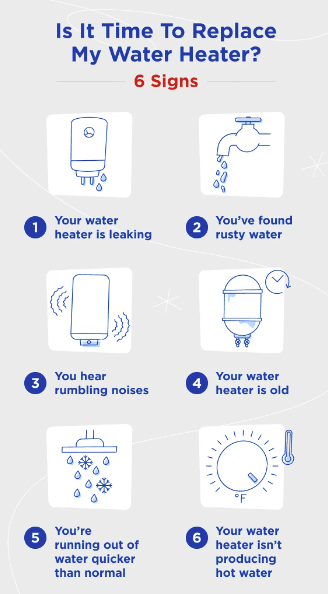
6. Replace Your Water Heaters Every 7-10 Years
Water heaters cause 11% of commercial water damage but only last 7-10 years. Even if they look good from the outside, you should replace them at least every 10 years to mitigate leak risks.
Don’t wait for the 10-year mark to take action. Ensure you routinely look for signs of rust and corrosion, install a drip pan under the heater to catch small leaks, and keep water pressure above 80 psi / 552 kPa. For better protection, add an automatic shut-off valve near the water heater.
[ Source: Mr. Rooter PLUMBING ]
7. Check for Cracks or Buildup in Water Storage Tanks
To ensure the integrity of water storage tanks, conduct regular inspections for cracks, damage, unusual sediment buildup, and signs of bacterial growth to prevent contamination and water damage.
Inspect corrosion, rust, weak spots, and protective coatings or linings. Additionally, seals, valves, and fittings are common areas where issues may arise, so monitor these closely.
For hidden problems in metal tanks, consider using ultrasound testing to identify hard-to-detect vulnerabilities. Address any maintenance issues promptly to prevent further deterioration and leaks.
Prevent Escape of Water With Real-time Leak Detection
Massive water damage can be caused by escape of water problems that may seem minor: the valve coupling, the pipe reducer fitting, or the burst pipe. But when they start leaking, they can cost up to millions of dollars in property damage and business losses, in addition to increased insurance premiums, reputational damage, and the environmental cost of extensive water waste.
Fortunately, you can prevent much of the damage if you catch and fix incidents early. Wint Water Intelligence continuously monitors your building’s water flow to identify irregular patterns of consumption leveraging artificial intelligence (AI), enabling leak detection in real-time. Once a water event is detected, Wint instantly identifies its root cause, and shuts off the water supply at the source. This enables building owners and managers to act swiftly, minimizing water damage and associated repair costs.
For insurers, proactive leak detection significantly reduces the frequency and severity of water escape claims and payouts. Wint helps insurers minimize potential losses by addressing leaks early, lowering their overall risk exposure.