A busted pipe is bad news before you discover it and a call to action once you do. There may be hidden signs of a leak waiting to happen, but the urgency starts when one of these signs is spotted. Once you notice a potential leak, whether an unexpected drip or a major plumbing failure, you’re running against the clock to contain the damage.
Around 75% of all water damage losses in real estate stem from accidental water discharge due to plumbing failures, HVAC systems, or malfunctioning appliances. These issues often start small but can escalate quickly, causing significant damage to walls, flooring, and other structural elements. So, what can you do when you face the dreaded water leak? Take a deep breath, and let’s dive in.

Recognizing the First Signs of Emergency Water Damage
Whether the source of the leak is a busted pipe or a natural disaster (such as a flood), you should not wait for spikes in water bills or funky mold smells before taking action. Recognizing the earliest warning signs of emergency water damage is critical.
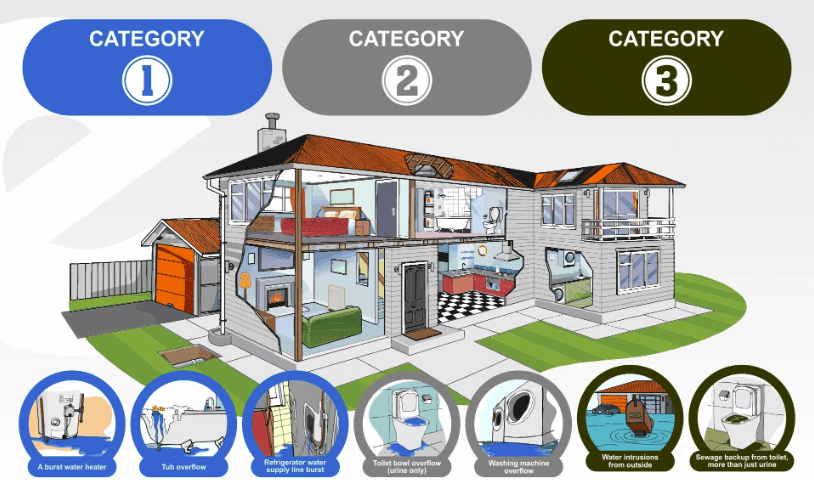
Identifying and reporting these signs depends highly on three main variables:
- The type of building and its age, the presence of expensive equipment, or potential danger to human life;
- How well you craft your water damage prevention plan and how thoroughly it addresses each area prone to leaks (such as roofs, water supply pipes, water pumps, HVAC equipment, appliances, and amenities);
- The vigilance, awareness, and adequate water safety and leak prevention training among building operations staff and residents.
[Source: Construemax Property Restoration ]
Why Speed is Critical in Minimizing Emergency Water Damage
As the Latin proverb says, “Still water runs deep.” When it comes to emergency water damage in buildings and construction sites, the meaning is painfully clear. Water seeps somewhere it shouldn’t every second, adding to the potentially devastating results of water damage.
Containment, mitigation, and restoration can become exceptionally costly in multi-tenant buildings, where evacuation and reparation expenses may devastate your bottom line and insurance premiums. It can also snowball into costs related to replacing electrical systems, high-value equipment, and other damaged infrastructure (such as floors, drywall, or metal building materials that may have rusted due to unexpected contact with water).
Moreover, suppose you neglect to address any water intrusion event promptly. In that case, your building may become a safety risk to occupants and your staff, especially if the source of the leak is not clean drinking water.
To speed up and automate the process of leak discovery, you can employ technologies like moisture detection IoT sensors installed under roofs and active water intelligence like Wint throughout a building’s water supply system. With IoT and AI technologies designed for leak detection and mitigation, the Wint Water Intelligence platform turns leak discovery into leak mitigation with automatic flow shutdown.
8 Actions to Take Once a Leak Has Sprung
There are quite a few differences between how your staff and maintenance should treat different types of emergency water damage. For example, the urgency and response differ significantly between a leaky faucet and a blown water main. There’s no one-size-fits-all step-by-step walkthrough for timely and effective response to water damage emergencies.
However, there are a few recommended actions that building owners and maintenance managers should take.
1. Identify the Presence of Water Intrusion
As mentioned above, quickly identifying emergency water damage is vital to minimizing its repercussions. Since water damage is quick to spread, the time between the spring of a leak and the execution of your water damage mitigation plan must be as short as possible.
If your building has yet to employ advanced sensors for leak detection, inspect leak-prone areas and equipment regularly. Determine the frequency of these inspections according to the water risk metrics of the at-risk areas or equipment.
2. Document Everything
This step is not so much a step as something you should do from the moment you discover a leak that your insurance carrier can classify as emergency water damage.
Clear and comprehensive documentation (including timestamps, photos, and videos) of the emergency water damage event enables collaboration between teams, water damage restoration contractors, building tenants, and other stakeholders.
3. Determine the Source of the Leak
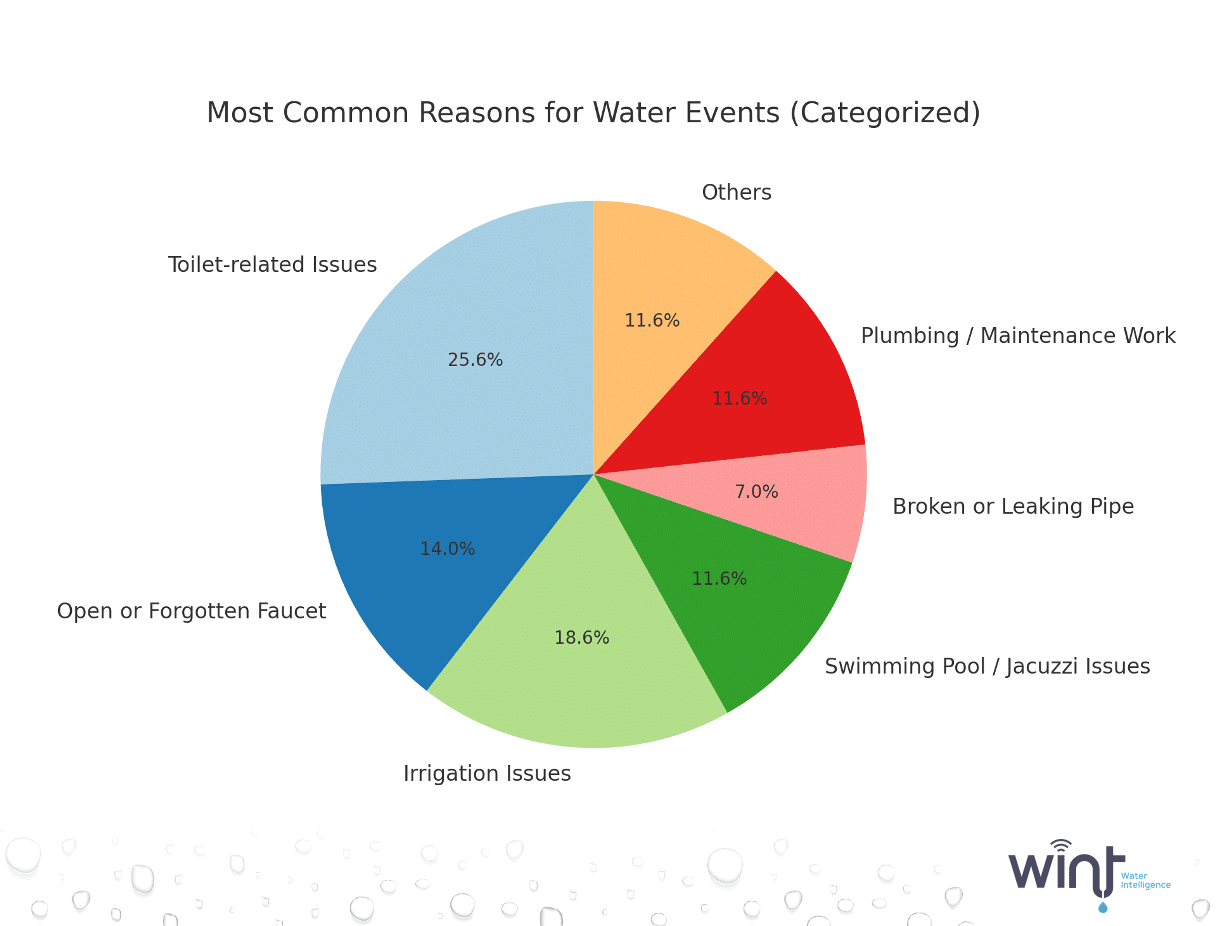
The place where you identify the signs of emergency water damage is not always the source. For example, water pooling under an HVAC unit may come from a faulty HVAC condenser drainage system or be the first visible indication of a burst pipe in the wall behind the HVAC unit.
If you don’t have sensors installed and don’t use a leak detection system, such as Wint Water Intelligence solution, you may need to do more than conduct a visual inspection. In some cases, you may need to employ a leak detection company with specialized portable equipment to rush in to help you pinpoint the source of the leak and identify its cause.
[ Source: Wint Water Intelligence ]
4. Shut off the Water Flow (If You Can)
As soon as you identify the source of the leak, it’s essential to shut it down immediately. You can remotely cut off the water supply with a centralized valve control system. Technologies like Wint go even further by automatically shutting off the leaky valve upon detection, so there’s less pressure on your team to act fast. If you don’t have such a system, you’ll need to shut off the water manually on-site to prevent further damage.
If you’re uncertain of the source of the leak, you may need to shut down the main water valve to the building while you conduct a comprehensive inspection of the potential sources of the water damage emergency.
Some water flows you can’t control, such as rainwater or flood water. In such cases, you may need to redirect the water flow instead of using temporary water collection installations or portable pumps.
5. Execute Your Emergency Water Damage Response Plan
Responding to water emergency damage without a step-by-step action plan can be slow. Therefore, creating and regularly updating a plan for water damage response is crucial.
This comprehensive and detailed document should include all the actions, responsibilities, contacts, and guidelines for handling water emergencies. It resembles the fire safety plan you must create and maintain for every building and property. Ideally, your emergency water damage response plan should include custom-tailored versions of the steps in our list designed to address the structure’s specific water risks.
6. Evaluate the Scope of Damage
Once you stop the water flow or gain some control over the ongoing water intrusion, you can look around to estimate the severity of the situation. At this point, you don’t need to make accurate estimations. However, a thorough assessment is critical to inform the following actions.
For example, you may be able to contain a few drops from a leaky spot in the roof with a bucket, but this will require urgent attention in the near future to prevent the damage from spreading. A balcony that collapses due to emergency water damage is an entirely different situation with different potential repercussions.
7. Contact Emergency Services and Other Relevant Stakeholders
Depending on the severity of the emergency water damage, you may need to involve various stakeholders throughout the process. In extreme cases, you may need to contact emergency and rescue services, and in most cases, you will need to contact your insurance provider or submit an Escape of Water claim.
The comprehensive and accurate documentation you’ve kept since the leak was discovered will help ensure accurate communications with insurance assessors and third-party water damage restoration services.

[ Source: DWIGHT RUDD Insurance ]
8. Remove Critical Equipment and Begin Clean-up
Like the previous one, this step depends on the severity of the emergency water event. You may need to evacuate the building occupants, remove sensitive equipment and high-value objects from the area, and secure electrical and gas infrastructure. Consider the potential chemical safety risks posed by water interacting with hazardous materials or cleaning agents that may be present in the affected area. Ensure accurate records of all actions taken to protect property and human life.
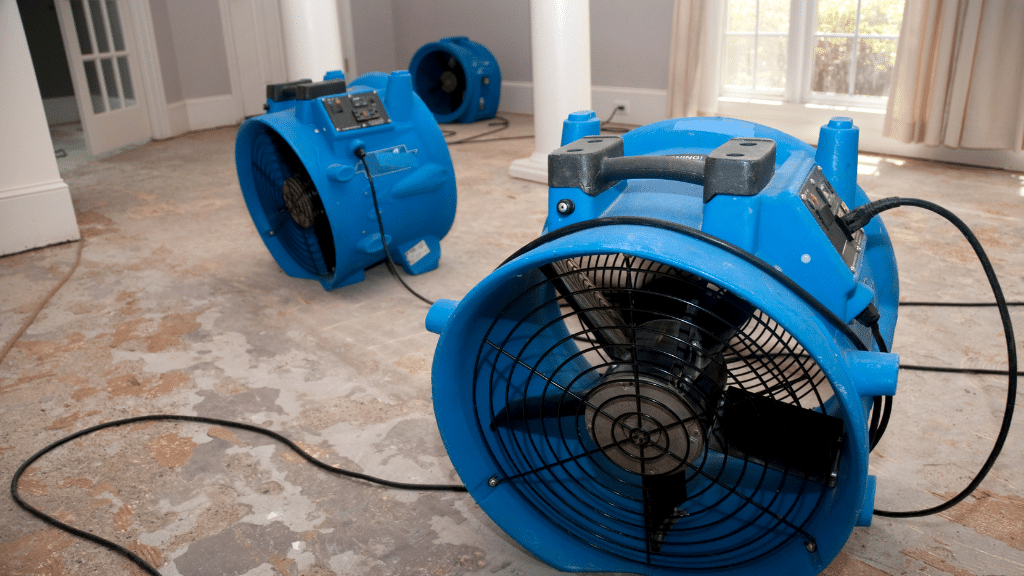
Once you’ve addressed and mitigated the initial dangers of unwanted water ingress, you can begin to reverse the situation. This step may entail water extraction with pumps or simple buckets and rags and cleaning, disinfecting, dehydrating, and restoring the affected areas.
Commercial Leak Prevention and Automatic Water Supply Shut-off with Wint
Responding quickly and in a well-organized manner to emergency water damage is critical to minimizing it. To accomplish this, you need a water emergency response plan and the tools and equipment to rapidly detect and identify leak sources.
That said, the best approach building and utility managers can take is a proactive one. Carefully design your response plan and employ technological solutions that enable you to prevent and mitigate water leaks and emergencies as quickly as possible (preferably automatically).
Powered by AI and based on IoT devices, Wint Water Intelligence is a future-proof investment in leak detection and prevention in multistory buildings. Its advanced technology offers real-time protection for your assets, tenants, and bottom line, effectively mitigating the devastating damage water can cause.
With complete oversight of water usage trends and deviations from established patterns, Wint also delivers value in sustainable water usage and reduces water risk insurance premiums and utility bills.