
Water management and leak mitigation for domestic hot water systems
Wint monitors and protects domestic hot water systems to prevent water damage, water waste and energy inefficiencies.
Ensuring that hot, pressurized water does not leak and waste
Domestic hot water systems supply showers, sinks, kitchens, and more. But they also carry a unique risk profile. These systems run under constant pressure and high temperature, which increases pipe degradation over time and makes leaks more likely, and more damaging.
What makes these systems especially challenging is that they typically operate through complex plumbing topologies. These unique plumbing architectures make leak detection especially challenging, requiring specialized solutions.
Traditional detection methods are ill-equipped to deal with the unique attributes of domestic hot water systems. Wint provides a set of dedicated solutions designed to meet these special situations to mitigate their potential for damage and waste.
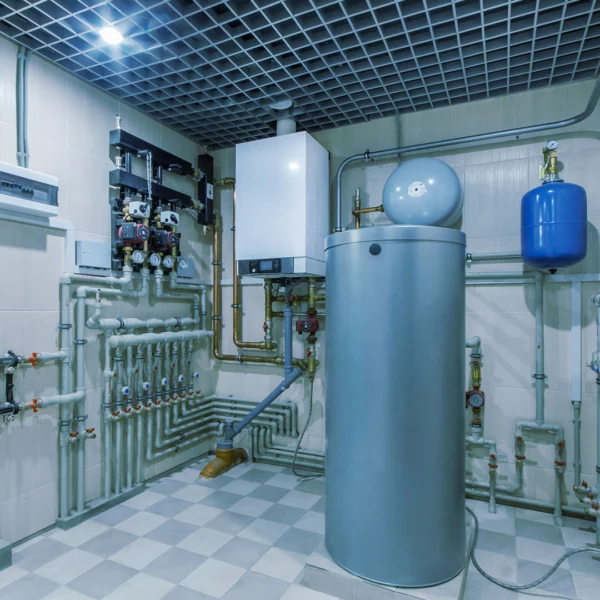
AI-powered leak detection for hot water systems
Wint uses high-sensitivity flow monitoring and AI algorithms that detect leaks in the complex plumbing network that comprises domestic hot water systems. It learns normal usage patterns across the plumbing system and flags anomalies early to prevent damage, energy waste, and rising costs.
Key features:
- AI trained to detect leaks in complicated hot water systems
- Sensitive flow monitoring to catch small anomalies
- High-temperature compatible meters
- Real-time alerts and actionable insights
- Supports energy savings, carbon reduction, and ESG reporting
How it Works
Wint’s high-temperature compatible meters and high-capacity valves are installed at key points throughout the domestic hot water plumbing lines. Its AI continuously learns the system’s normal flow patterns and monitors for subtle anomalies that may signal a leak or waste.
If a leak is detected, Wint instantly alerts your team and isolates the affected section. This prevents water from leaking into the facility while allowing the rest of the system to continue operating, ensuring fast response while limiting the impact across the building.